
IK Start’s Financial Challenges in the 1990s and Beyond
Here is a brief overview of the financial turbulence and changes in ownership that affected IK Start during the 1990s and beyond
Financial Challenges in the 1990s
One of the main reasons Start experienced financial difficulties in the 1990s was quite obvious: attendance at matches was insufficient, which in turn negatively affected sponsorship revenue. At the same time, the club faced a sharp increase in costs. From the 1990 season, professional football was introduced in Norway, bringing significantly higher salaries.
In 1995, the Bosman ruling came into effect, establishing that professional football players in the EU had the right to sign with a new club once their contract expired, without their former club receiving compensation. As a result, clubs had to sell players before contracts ran out or risk losing value.
Start was hit hard by these developments. The club already had weak finances, and when both ticket revenue and player values declined, Start Fotball AS found itself in a precarious situation.
By the late 1990s and early 2000s, Start Fotball AS (or ASA) was on the verge of bankruptcy. At this point, a rescue operation was launched by local stakeholders. A group of businesspeople from the Kristiansand area, known as Club21, intervened with the goal of securing the club’s existence. They established Start Toppfotball AS as the new operating company for the club’s top-level football activities.
Carl-Viggo Axelssen was appointed chairman of the new company, and several well-known business figures from the region became shareholders. Among them was Bjørn Johansson, who at the time expressed a desire to become the largest shareholder in Start Toppfotball AS.
This rescue operation marked an important turning point in the club’s history and demonstrated how strongly the local community wanted to preserve top-level football in Kristiansand. A foundation was laid for a fresh start, but the challenges would not end there.
Investors and Rescue Operations in the 2000s
In 2002, investors Ernst Ravnaas and Erik Solér took over the management of the club through the company Nye Start AS. They invested significant sums and planned the construction of a new stadium. Despite this, Start Toppfotball AS recorded losses every year from 1997 to 2003, with the exception of 1999. In 2003, revenues fell to one-third of the previous year’s level, and the club again relied on fresh capital to survive.
In December 2009, the club was saved from bankruptcy through a rescue package of NOK 12 million, half provided by the Cultiva Foundation and the other half by local investors. This was yet another example of how the city and local community stepped in to save the club in its hour of need.
Changes in Ownership and Ambitions
In 2011, Magne Kristiansen bought out co-investors Vidar Robstad and Svein-Erik Halvorsen, becoming the sole owner of Start Igjen AS, the company holding the majority of shares in Start Toppfotball. This provided greater decision-making power, but also placed a certain amount of pressure on the main stakeholder.
In 2017, the investment group “Start En Drøm” was established, with Christopher Langeland and Robin Reed among the key figures. The group had ambitious plans to bring the club to a stable top-level position and intended to invest NOK 40 million over 10 years. However, after just 18 months, NOK 77.9 million had already been invested, reflecting both the group’s commitment and the ongoing financial challenges the club faced.
Sparebanken Sør and the Stadium Project
Sparebanken Sør has been a key player in the club’s recent history, serving as sponsor, lender, and shareholder. The bank has contributed approximately NOK 230 million to IK Start, of which around NOK 100 million is considered lost.
Financial Turbulence and Changes in Ownership at IK Start
This significant financial involvement had consequences; for example, the bank’s CEO resigned in 2010.
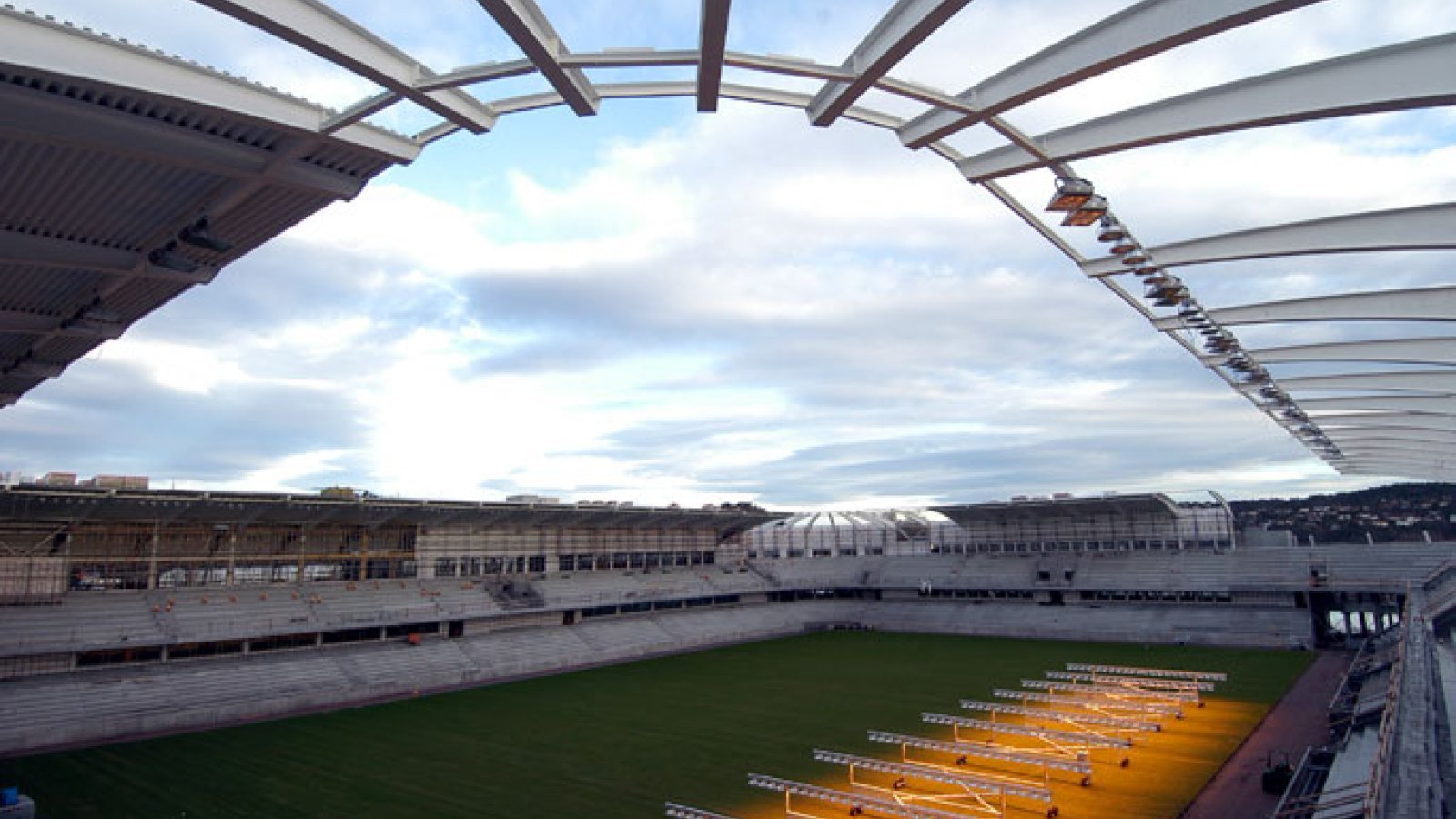
An important part of the investment was the construction of Sparebanken Sør Arena, which opened in 2007. The stadium project was intended to provide both a fresh start for the club and a boost for the entire region. It was financed through multiple contributors, including the Rasmussengruppen, which invested NOK 45 million for a 34.6% ownership stake.
Summary
IK Start has experienced several decades of major financial fluctuations, investments, rescue operations, and changes in ownership. The enthusiasm and support from the local community, businesses, and individuals have, on several occasions, saved the club from bankruptcy.
At the same time, the history shows how difficult it is to combine sporting success with financial sustainability in a medium-sized Norwegian club. Start stands as a symbol of both the power and challenges of football, as well as Kristiansand’s strong commitment to having a club to be proud of.